Topik khusus industri truk berat: ruang pasar luar negeri sangat luas, kemakmuran laut diperkirakan akan berlanjut untuk waktu yang lama
Under the trend of going global, the growth potential of the heavy truck industry is evident
China's heavy truck sales are entering a new period of growth, and heavy truck exports are showing robust development momentum. In terms of sales structure, the proportion of truck tractors has increased while the proportion of heavy-duty truck chassis has decreased, reflecting the shift of China's heavy-duty truck market from infrastructure-driven to logistics-driven. Domestic demand for heavy-duty trucks is cyclical, driven by economic development, product iteration, and elimination policies, and is currently in a stage of recovery. Exports to overseas markets are growing rapidly, with Africa and Southeast Asia being the top two destinations for China's exports and still growing fast. The concentration of heavy truck manufacturers is high.
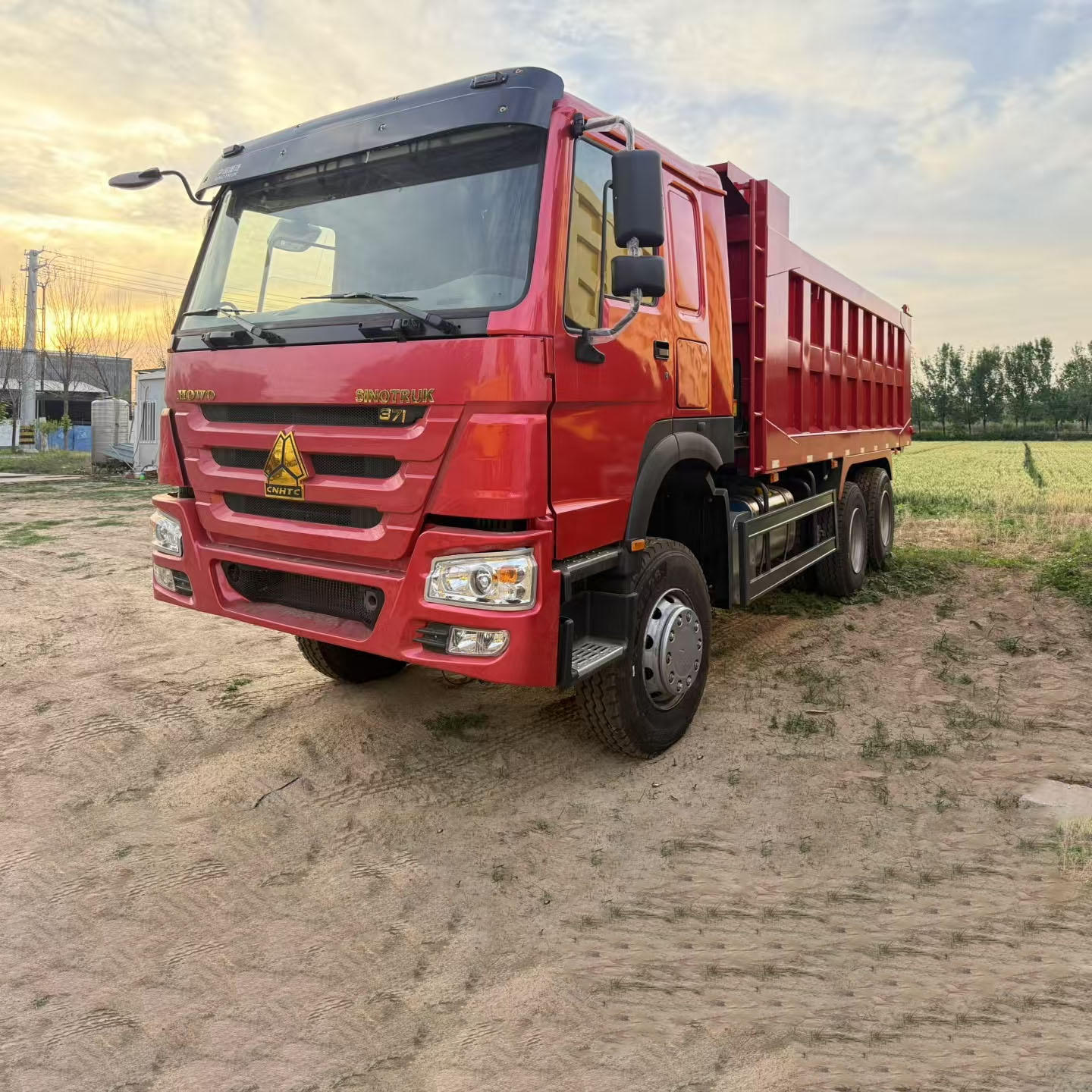
The African market is the largest region and the major incremental area for China's heavy truck exports, with great market potential
From the perspective of per capita GDP and the number of heavy trucks per thousand people, the African market is at a stage similar to that of China in the early 21st century. The proportion of infrastructure investment and road construction in Africa lags significantly behind China's level in the early 21st century, leaving room for further exploration of heavy truck infrastructure and logistics demand. The current boom in Africa's mining industry is expected to drive infrastructure development; in the long term, logistics will provide long-tail demand for heavy trucks, but this requires improved infrastructure and sustainable economic development as the foundation. Chinese heavy-duty trucks in Africa have shown a trend of increasing volume in East and West Africa and improving quality in North and South Africa, with a certain degree of concentration. In terms of market size, the current annual sales volume of heavy-duty trucks in Africa is estimated at 200,000–250,000 units, corresponding to an estimated fleet of 1.6 million by 2025. In terms of the competitive landscape, China's heavy truck exports to Africa will exceed 140,000 by 2025, already a mainstream product in the local market that can fully benefit from market growth. According to calculations, there is still room for the annual sales volume of heavy-duty trucks in Africa to double over a five-year period.
Southeast Asia is the second-largest base market for Chinese heavy trucks and is experiencing high growth; the heavy-duty truck markets in Latin America and Europe are mature, while Brazil and Europe are potential incremental markets
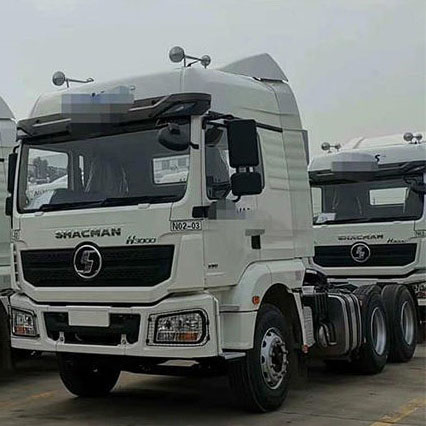
The Southeast Asian heavy-duty truck market is more mature than Africa's, and infrastructure and logistics jointly drive the growth of China's heavy-duty truck exports in the region, with strong growth certainty. The concentration of China's heavy truck exports in Southeast Asian countries is relatively high. Europe and Latin America are mature markets. In terms of market size, sales of heavy-duty trucks in the EU30 region are estimated at around 300,000 in 2025, while the Latin American market is estimated at 180,000–200,000. In terms of the competitive landscape, the seven major European local brands hold over 90% of the market share. In Latin America, China's share of the heavy-duty truck market is still less than 20%, coming mainly from markets outside Brazil, where European brands still dominate. Brazil and Mexico are the core heavy-duty truck markets in Latin America, and China's heavy truck exports are growing rapidly in countries outside these two markets. Chinese vehicle makers are actively setting up production capacity in Mexico; Brazil and five other countries have high tariff barriers, requiring vehicle makers to establish local production, and Chinese vehicle makers are currently moving forward with this. The European heavy-duty truck market features high unit prices, and local heavy-duty truck companies have deep technological accumulation and strong brand influence, with a very low proportion of foreign brands. New energy heavy-duty trucks in Europe carry significant price premiums, which may create opportunities for Chinese vehicle makers.
Risks: The risk of product sales and profitability falling short of expectations; the risk of intensified competition in the domestic and international heavy-duty truck industry; the risk of changes in local policies in overseas regions; force majeure risks; the risk of overseas development falling short of expectations; and the risk of vehicle makers' cost control falling short of expectations.