ถึงเวลาแล้วที่ผู้ประกอบการรถยนต์เพื่อการพาณิชย์จะออกไปในทะเลเพื่อเปลี่ยน "วิธีการใช้ชีวิต"
Recently, the US Department of Commerce announced the preliminary results of its "double anti" (anti-dumping and countervailing) investigation, pushing CIMC Vehicles' Qingdao subsidiary to the forefront: an 82.37% countervailing (anti-subsidy) duty plus a 130.76% anti-dumping duty, for a combined burden of over 200% — almost eliminating the price space for Chinese box-type semi-trailers to enter the US market. Is this heavy tariff ruling a case of trade protectionism, or a new normal that Chinese commercial vehicles must face in the long run to enter European and American markets? The answer not only shapes the enterprise's next strategic decisions, but also bears on the overall pace and direction of the globalization of China's commercial vehicle enterprises.
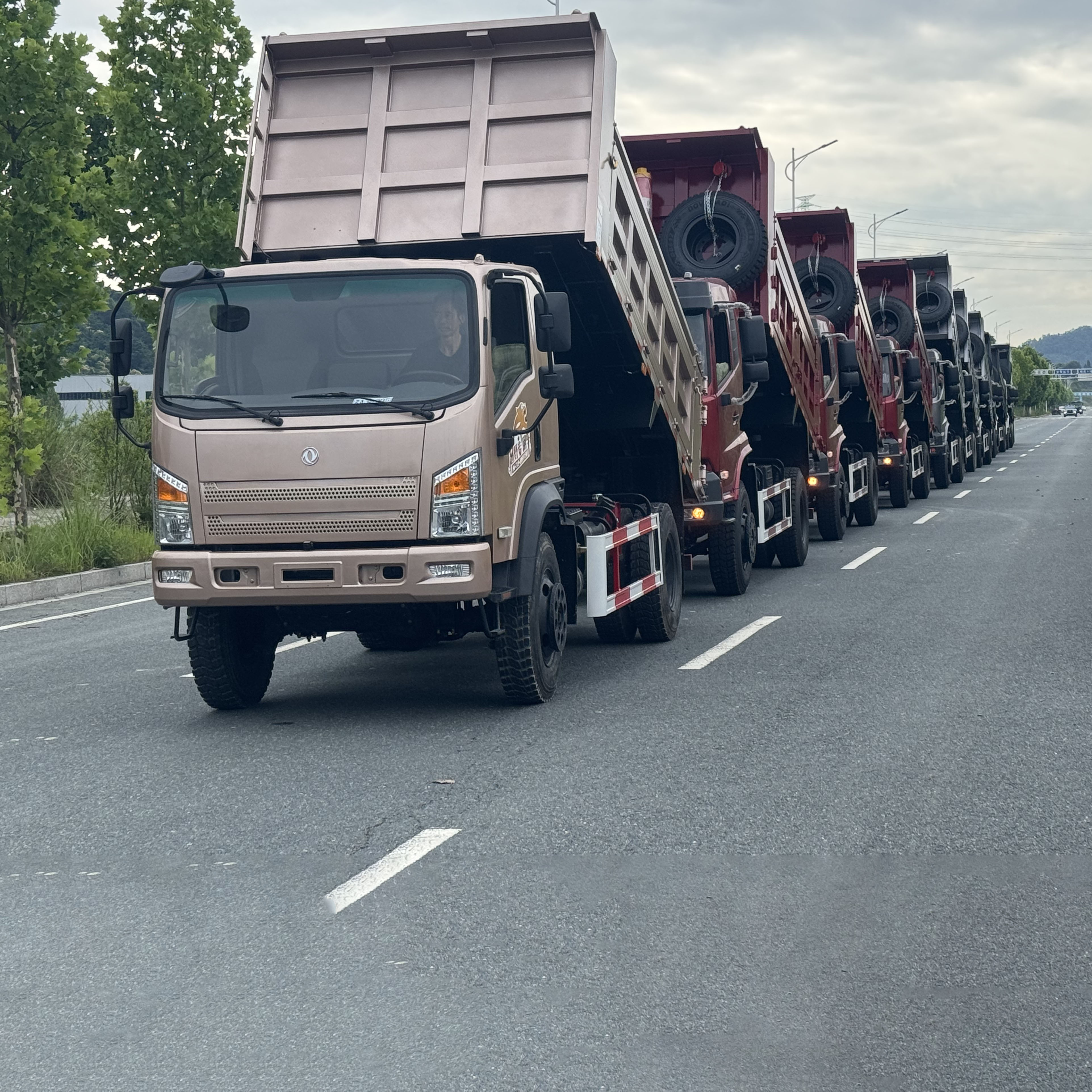
For a long time, the focus of domestic commercial vehicle exports was on emerging markets such as Asia, Africa, and Latin America. There, local demand is strong, and access rules and the trade environment are relatively relaxed. Many commercial vehicle companies, relying on their cost-performance advantages and fast-response supply chain capabilities, chose whole-vehicle exports as the mainstream path to going global.
 (เอช เอ็กซ์ 0)
With the transformation and upgrading of the domestic commercial vehicle industry, the overall quality, intelligence level, and new energy technology of products continue to improve, and enterprises' desire to advance into the high-end European and American markets is growing increasingly strong. However, just as the industry is striving to break through, the external environment is quietly changing. Protectionist sentiment among local industries in Europe and America is on the rise, with restrictive measures — such as "double anti" investigations, localized production requirements, carbon tariff barriers, strict technology access standards, and supply chain compliance reviews — coming one after another. The CIMC case is not an accidental extreme example; it reflects the increasingly strong defensive mentality of local industries in developed countries in the face of the rapid rise of Chinese product competitiveness. Trade barriers are shifting from occasional frictions to normalized competition, a change in the external environment that Chinese commercial vehicle enterprises must confront when going global.
If we equate the trade barriers in the European and American markets merely with high tariffs, our understanding is clearly not deep enough. In fact, the threshold built by overseas markets has a dual nature. On the one hand, punitive tariffs such as the "double anti" duties have had direct cost impacts, making it increasingly difficult to sustain the old model of relying solely on vehicle exports in the European and American markets. On the other hand, implicit thresholds such as technical standards, safety regulations, carbon emission rules, and local compliance requirements pose more long-term challenges. These invisible constraints will not strike suddenly, but will continually screen who is qualified to stay at the "table." Unlike the model used in Asian, African, and Latin American markets, the competition rules in European and American markets have changed: the strategy of low-price, high-volume competition can easily trigger trade investigations, and simply making minor modifications to domestic vehicle models for direct export can easily lead to regulatory and compliance challenges. It is not difficult to see that the old export model based on capacity output and direct vehicle sales is no longer suited to the competitive environment of mature European and American markets. The old path is hitting a bottleneck, and the industry must proactively plan an export strategy transformation rather than wait passively for the next round of investigations.
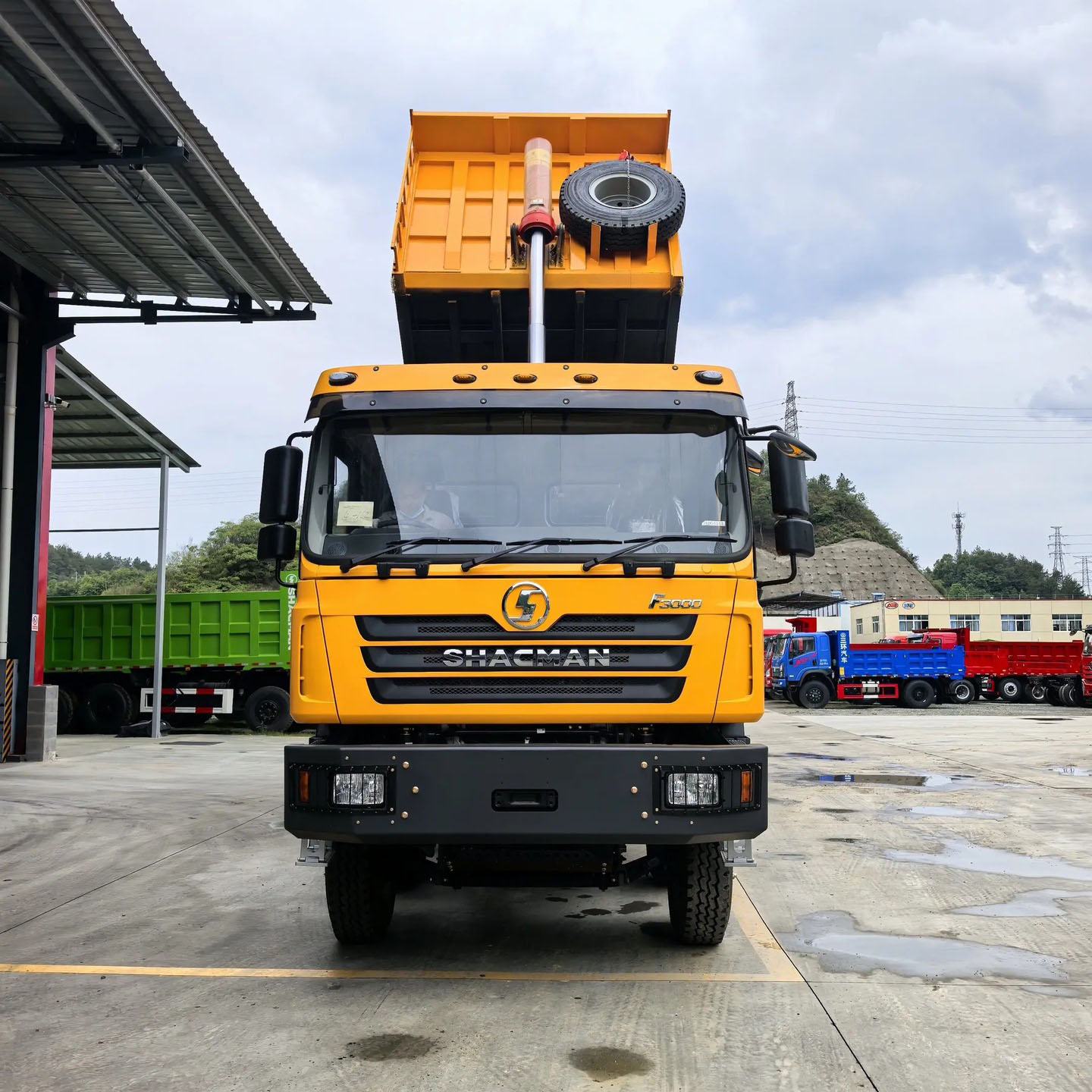
Faced with the dual containment of high tariffs and compliance barriers, China's commercial vehicle enterprises urgently need to complete a fundamental shift in their overseas strategy from "going global" to "integrating."
 (เอช เอ็กซ์ 0)
First, at the level of mindset, enterprises should break free from the path dependence on low-price competition, abandon the idea of seizing markets through price advantages alone, and turn to value-based competition centered on product reliability, full-lifecycle operational value, and advantages in new energy technology. A price advantage may win temporary orders, but only strong product value can earn long-term market recognition.
Second, in terms of business model, enterprises may consider advancing localized operations as an important option. By establishing overseas factories, carrying out localized assembly, and cooperating deeply with local high-quality dealers and industry-chain partners, enterprises can not only avoid the tariff risks faced by vehicle exports, but also better adapt to local regulations, after-sales systems, and user habits. Of course, building factories overseas is not a panacea, and companies should not blindly follow the trend. Before investing overseas, domestic vehicle makers need to fully assess overseas investment risks, cost-recovery cycles, and supply-chain matching difficulties, make prudent decisions, and avoid secondary risks caused by hasty overseas expansion. In addition, enterprises should establish a proactive compliance risk-control system, analyze the trade policy trends of target markets in advance, improve cost accounting and pricing mechanisms, and build a trade-friction early-warning and legal-response team. As trade frictions gradually become normalized, proactive responses are far more likely to succeed than passive ones.
In addition, the transformation of commercial vehicles going global has never been the solitary effort of a single enterprise, and it cannot be achieved without the coordinated efforts of the entire industry ecosystem. Upstream and downstream enterprises in the industrial chain should coordinate their layout, promote the synchronized overseas expansion of the parts supply chain, build a stable overseas supply chain, and lower the cost of going global for a single vehicle enterprise. At the same time, market layout should remain diversified. While actively exploring the high-end European and American markets, enterprises should continue to consolidate advantageous markets such as Asia, Africa, and Latin America, forming multi-regional risk hedging.
The CIMC case serves as a timely warning: China's commercial vehicles have bid farewell to the dividend era of low-threshold expansion and entered a new stage of strict rules and intense competition in going global. Faced with increasingly normalized trade barriers, enterprises should neither shrink back because of short-term setbacks nor cling to the old path in hopes of passing the barriers by luck. Only by reshaping the approach to going global — shifting from product output to business-model output and deep local integration — and by adhering to compliant operations, value-based competition, a diversified layout, and deep local cultivation, can enterprises firmly establish a foothold in the global commercial vehicle market and embark on a higher-quality, more sustainable path of global development.